
A denture (also referred to as false teeth) is a form of artificial equipment used by patients to replace broken or missing teeth. It can be used to replace teeth in either the upper jaw, lower jaw, or both. These items help users improve their oral health and allow them perform certain activities better.
Patients are able to chew more easily, which helps them eat without any difficulties. These items also improve speech, so people can communicate better. They are made using items like nylon, metal, porcelain, acrylic, resin, etc. Learning more will help patients handle these oral appliances much better going forward.
Some Common Types of Dentures
There are many different varieties available based on the needs of the user and the severity of the issue. Dentists must also consider any unique medical issues faced by the patient and make modifications if possible. But generally speaking, though, here are some of the more popular types of dentures used to satisfy various oral needs of patients.
Full/Complete Dentures
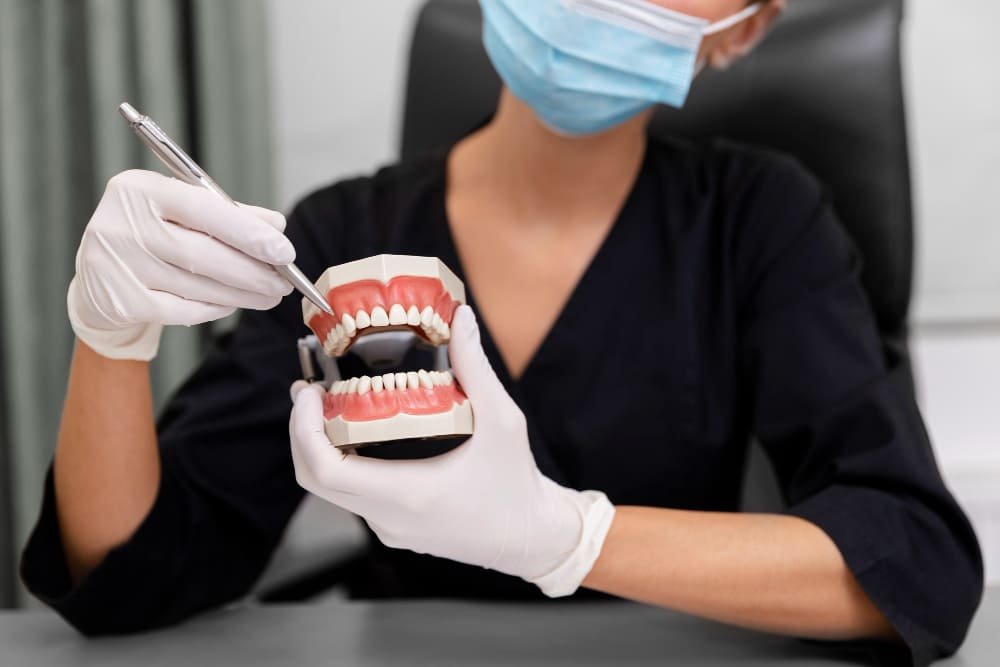
They are basically used to replace missing teeth in both the upper and lower jaws. It is placed above your gums and is supported by your palate (roof of the mouth) or the lower jawbone ridge. They are removable and made using materials like acrylic or porcelain and held in place by a metal or acrylic base. With good denture care and maintenance, they can last around 5-10 years.
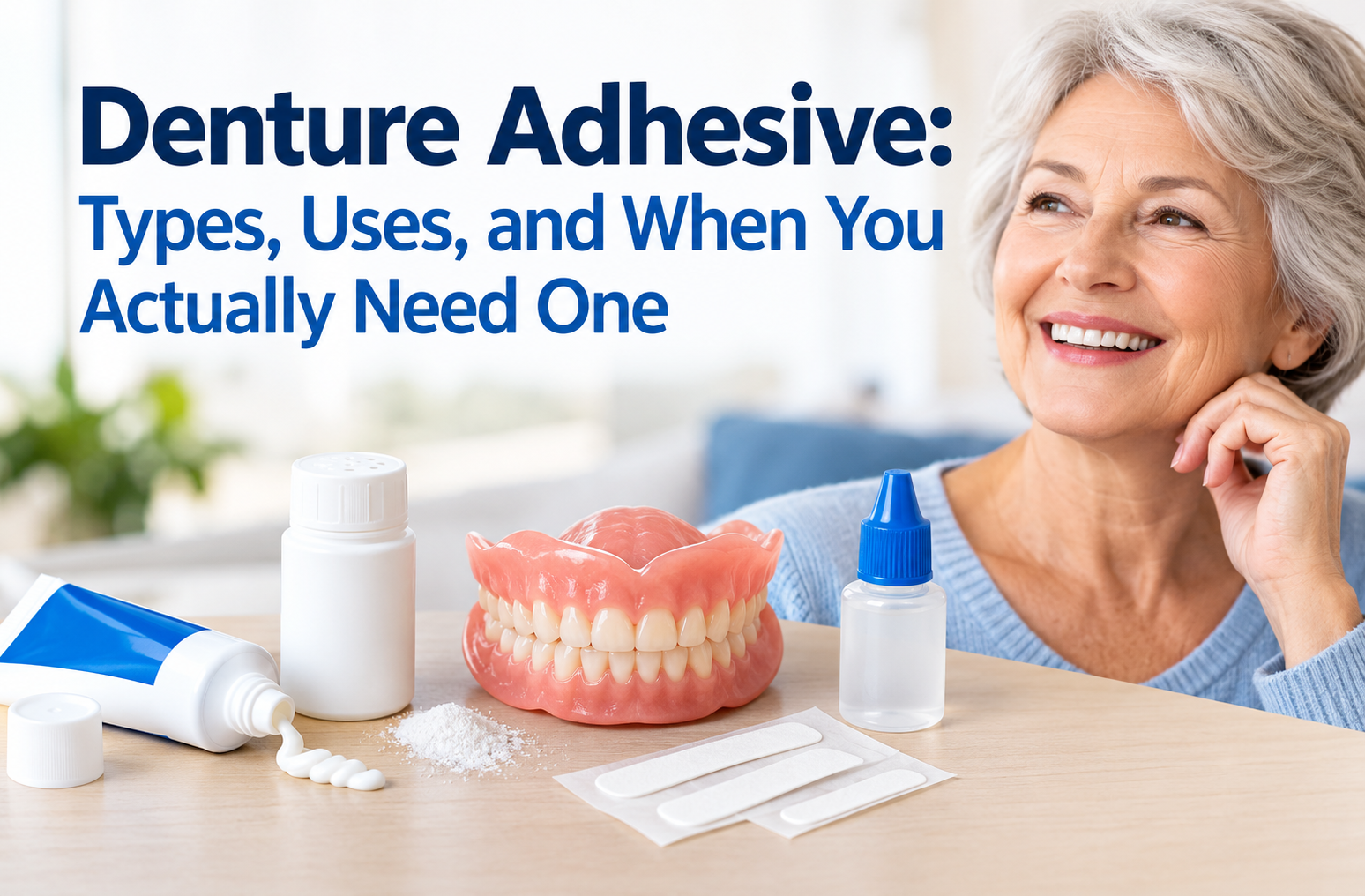
Aged people who lose all their teeth will need full dentures to perform important functions. Some patients may struggle to keep these items in place. It can cause gaps between the denture and gums where tiny food particles may get stuck. Here, using an adhesive can help.
Partial Dentures
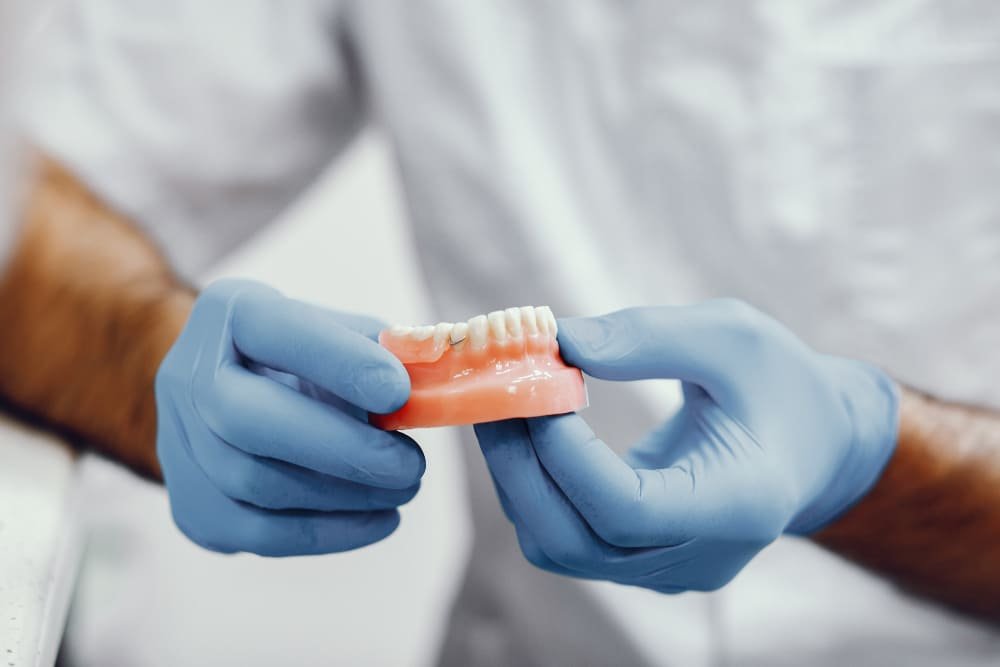
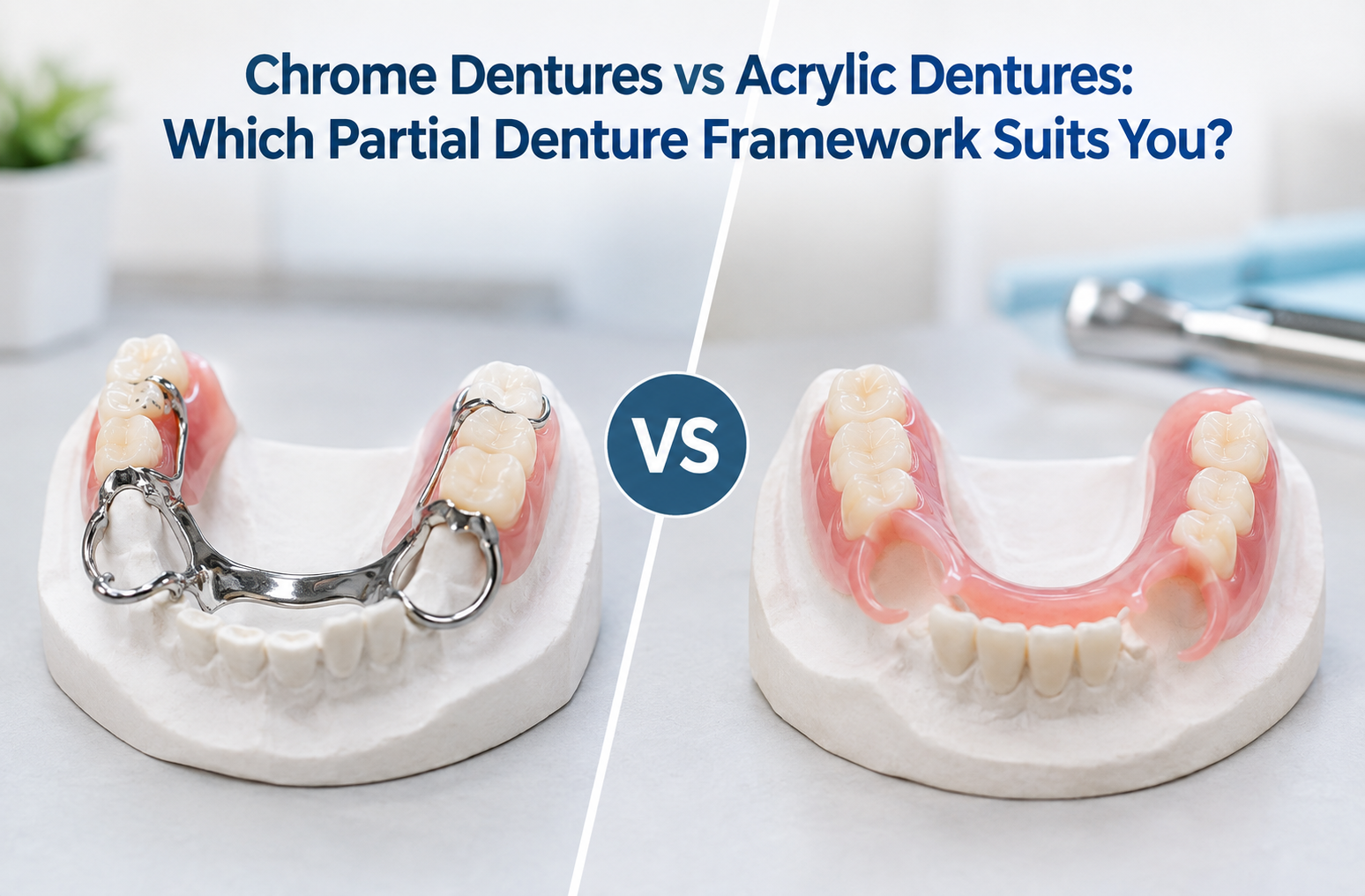
Partial Dentures is a good option for patients who are missing several or most of their teeth in one or both jaws. They are designed to fill the gaps between missing teeth. Such items need help from the gums and local bones to remain in place. They are quite easy to use and can be clipped or removed as per your requirement.
Snap-On Dentures
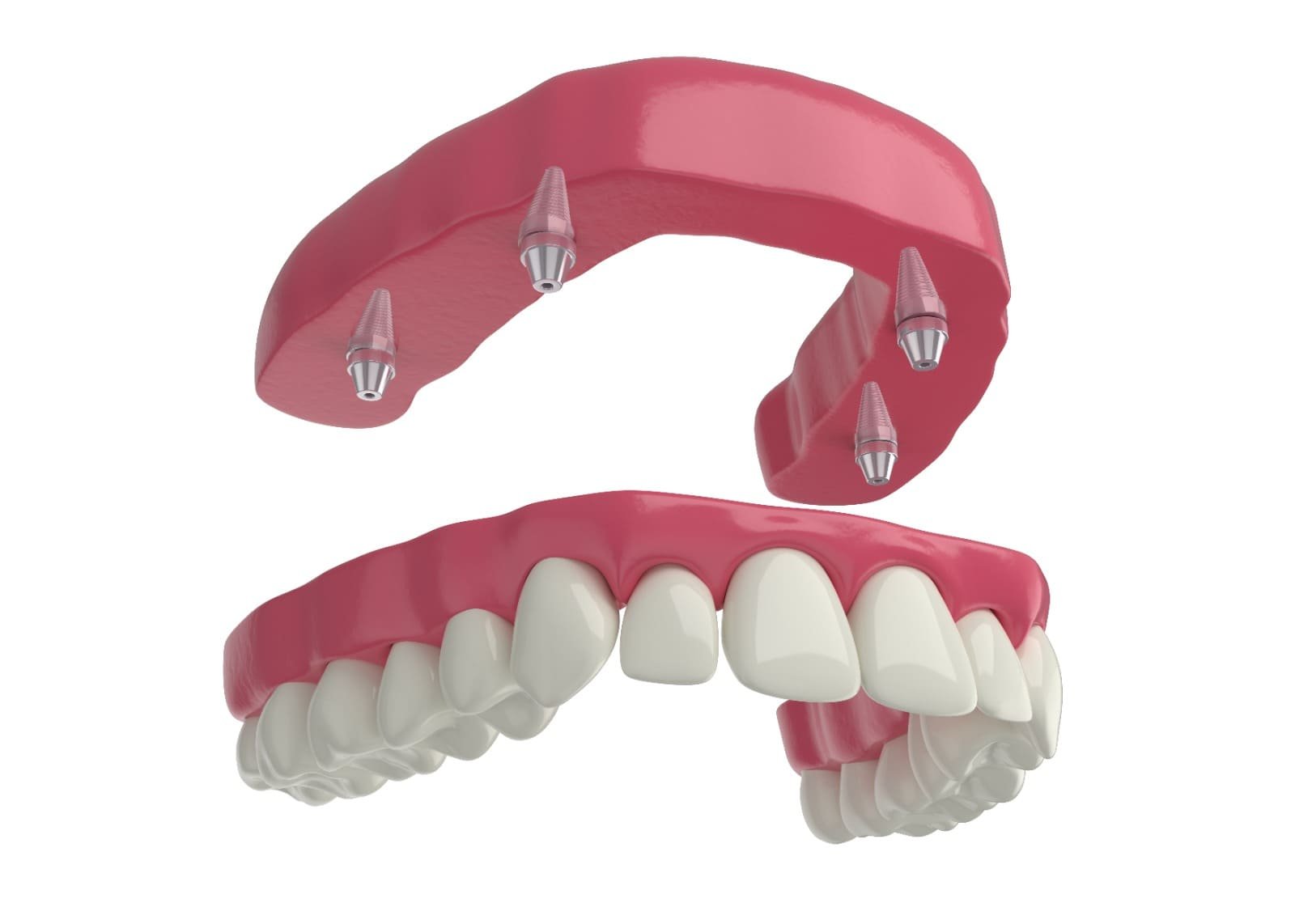
They are also called implant-retained dentures and are removable. Unlike certain other forms of removable dentures, these items do not rely on gums or jawbone ridges to remain in place. These oral items are crowns that fit into dental implants that are surgically inserted into the jawbone. They are usually a lot more stable compared to regular implants and do not need glues to keep them in place.
Implant-Supported Dentures
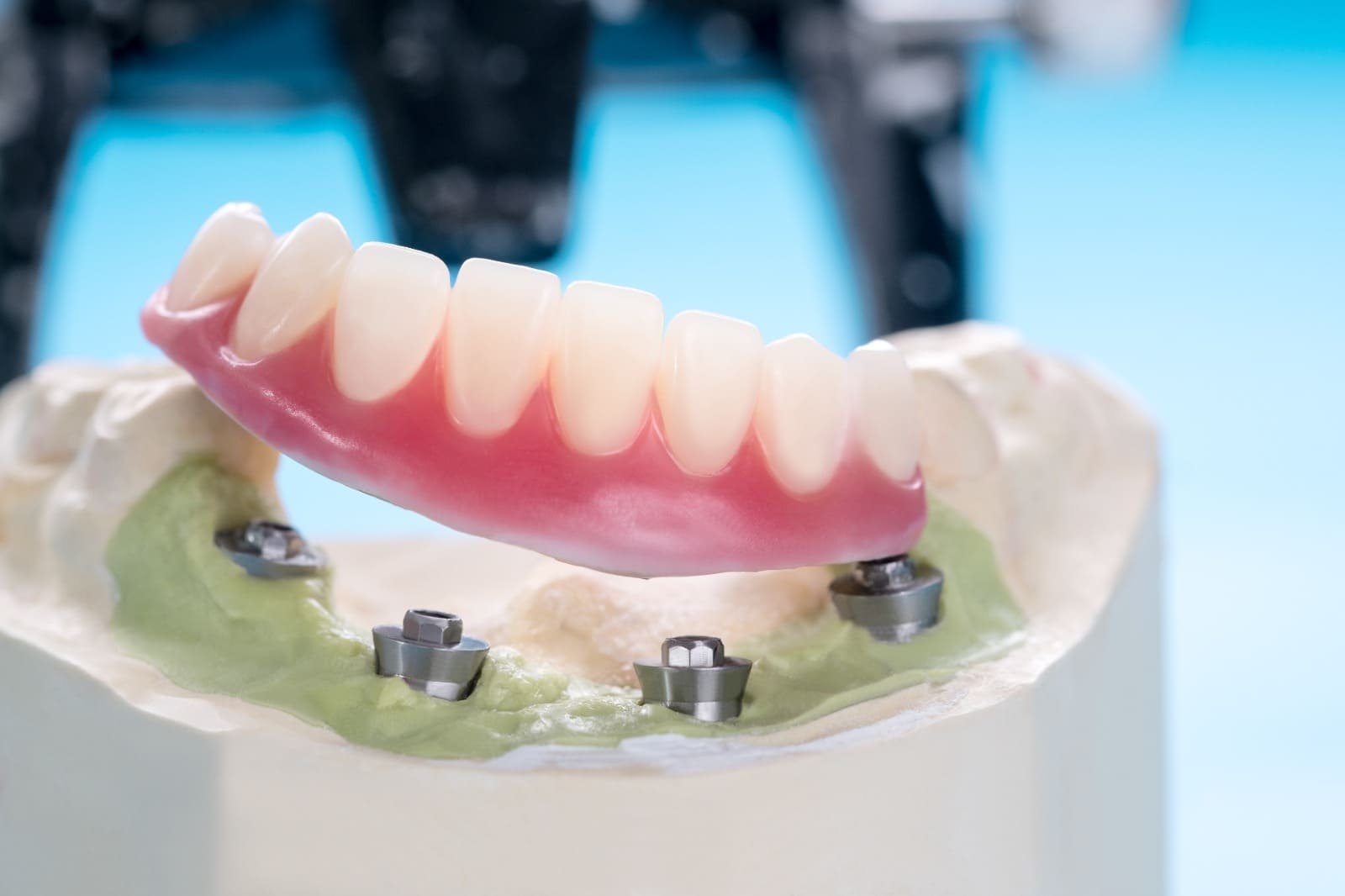
Unlike most other types of dentures, they are fixed and cannot be removed. Many also refer to them as permanent dentures. Patients cannot remove it by themselves and will need help of an expert they want them taken out. They are fixed in place through dental implants within the jawbone. It is a lot more durable and helps prevent bone loss.
The implant and the bone tissue will eventually fuse together, which helps maintain the general structure and functionality. They are a perfect option for individuals who do not like the hassle of removing and placing oral items on a regular basis.
Immediate Dentures
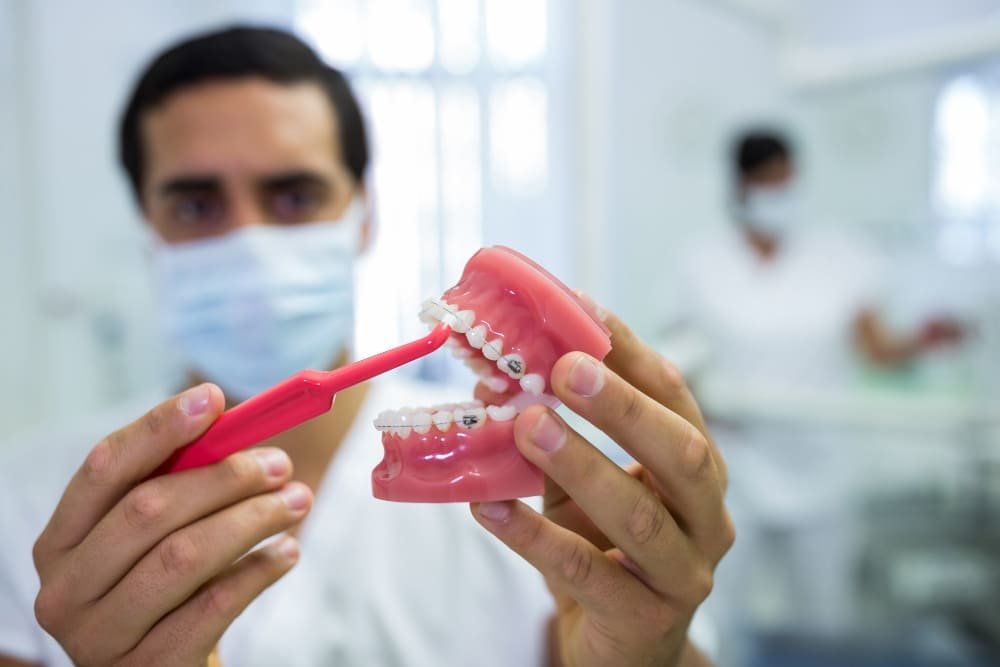
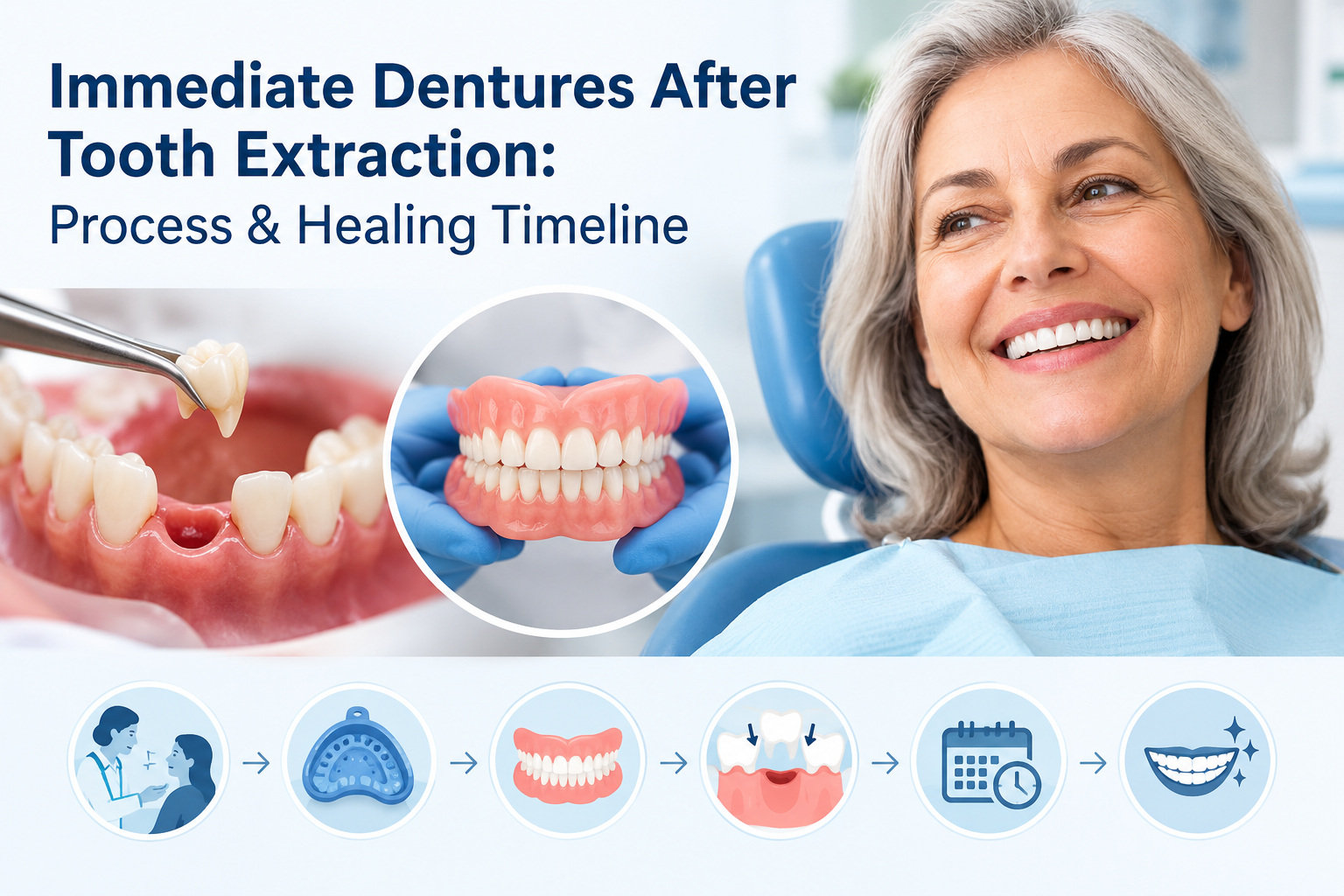
There are many cases where a patient needs their teeth removed altogether before they can use their final dentures. Here, a dentist will suggest immediate dentures, which are often used temporarily after an extraction. Once the patient recovers from the procedure, they can move on to the final one.
In other cases, dentists may move on to the final one without the need for any temporary oral appliances in between. It also depends upon your medical needs, along with how the assigned medical professionals choose to move forward with your treatment. Since they are for short-term use, you may not need to put in too much effort towards denture care.
Basic Denture Care Instructions
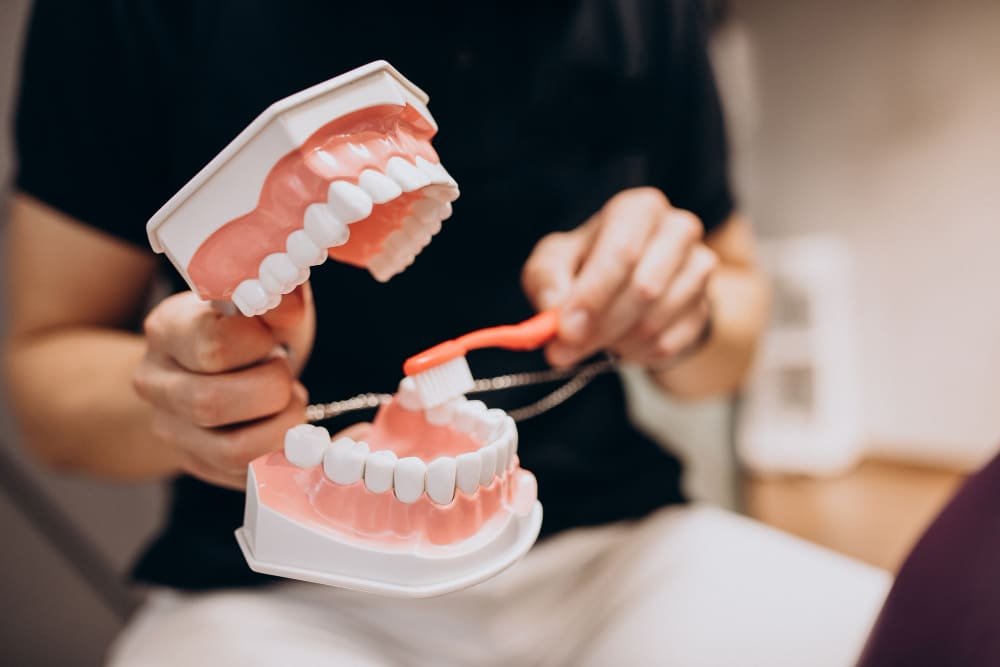
Patients must know how to clean dentures safely and handle them well. Doing so will help maintain their shelf life and will also be better for your personal hygiene as well. The right techniques to be used will vary slightly depending on whether these oral items are removable or not.
Non-Removables
If these items are fixed and cannot be taken out (like permanent dentures), apply the following denture care instructions to take care of them.
- Apply a good non-abrasive toothpaste for better shelf life.
- Brush and floss around the implants regularly.
- Use a soft-bristle toothbrush to reduce to avoid causing damage.
- Have checkups with your dentist every now and then to detect issues early on.
Removables
If your dentures can be taken out, then keep the following denture care instructions in mind.
- Remove and rinse them after meals.
- They may break if dropped, so do not hold your dentures too high when cleaning them.
- Be gentle and avoid bending them.
- Do not use any abrasive cleaning items
- Always try to clean your mouth after taking out any oral items or adhesives.
- Make sure you brush these items at least once a day.
- Soak them overnight
- Keep these oral appliances away from very hot water, as it will damage them.
- Also, rinse it properly before placing it in your mouth in the morning.
- Have regular check-ups with a dentist to identify problems early on.
- In case of any damage, seek advice from your dentist on any good denture repair adhesive you can use.
Conclusion
Having a good understanding of what are dentures and how they help us out is important. Patients also need to take good care of these oral items to make the best use of them. It is important to convey all your needs to the dentist so they can find the best option for you.
Visiting FBA Dental Services can help you get the right ones to match your needs. They provide a range of specialized medical services within this niche. Their experts take all your needs into consideration when delivering the final item. Work with them to get on top of your dental health now.