
The first meal with a new set of full dentures can feel strange. Your mouth knows something has changed, your tongue keeps checking, and a sandwich you’ve eaten a thousand times suddenly feels like a test.
That’s normal. Eating with dentures is a skill, not a switch you flip. Give it a couple of weeks and most of the awkwardness fades. This guide walks you through how to get there faster, with less frustration and fewer sore spots along the way.
Why Eating Feels Different at First
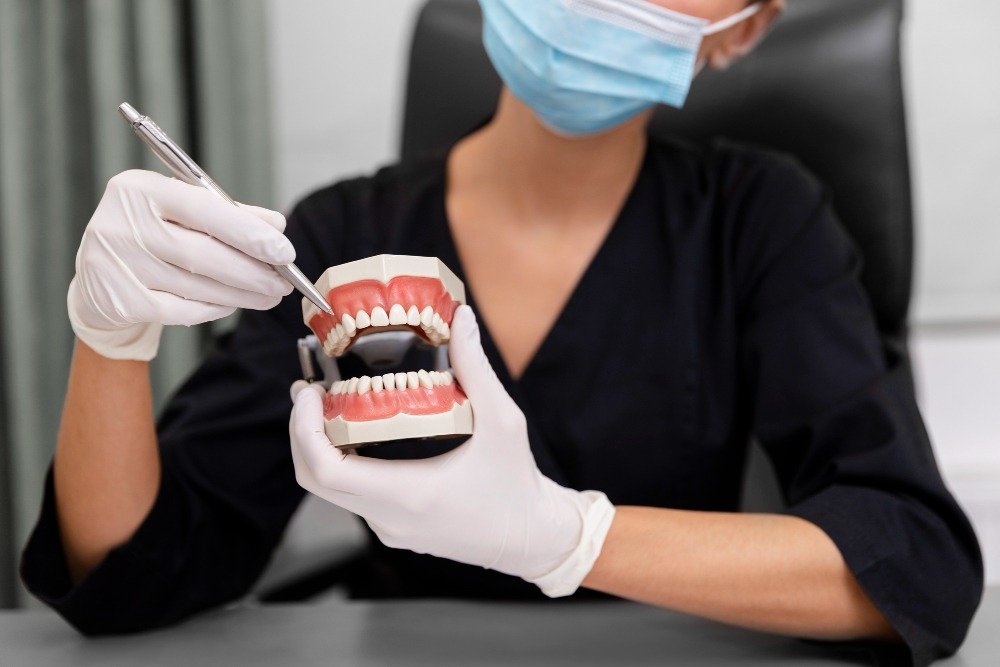
Natural teeth are anchored in bone. They don’t move. Dentures sit on your gums, so they rely on suction, muscle control, and a bit of practice to stay put (you can read more about how dentures work on Healthdirect, Australia’s government health service). Your cheeks and tongue have to learn a new job: holding things in place while you chew.
You’ll also notice your sense of taste and temperature feels slightly off early on, especially with an upper denture covering the roof of your mouth. This settles. Your brain recalibrates surprisingly quickly.
Start Slow: The First Week
For the first few days, keep things gentle. This isn’t forever. It just lets your gums settle and your muscles catch up.
Some of the best soft foods for dentures in week one:
- Scrambled eggs, omelettes, and creamy mashed potato
- Porridge, yoghurt, and soft cooked oats
- Soups (not too hot) and well-cooked vegetables
- Stewed fruit, ripe banana, and tinned peaches
- Slow-cooked meat, fish without bones, and soft pasta
Cut everything into small pieces. Chew slowly. And here’s a tip people often miss: chew on both sides at once. It keeps the denture balanced so it doesn’t tip or lift while you eat.
Foods to Eat With New Dentures (and What to Hold Off On)

As you get more confident, you can broaden your menu. The best foods for denture wearers in the early stages share one thing in common: they don’t fight back. Think soft, moist, and easy to break down.
Be patient with the trickier stuff. Sticky foods like toffee and chewy lollies can pull a denture loose. Hard items like nuts, raw apples, and crusty bread put real pressure on your gums before you’ve built up tolerance. Small seeds and popcorn kernels love to wedge underneath. You’ll get to all of it eventually, just not on day two.
Tips for Eating With Dentures More Comfortably

A few habits make a genuine difference once you’re past the first week.
- Take smaller bites. Less food means less force, which means a more stable denture.
- Use your back teeth. Biting hard with your front teeth can flip the denture forward. Tear with your front, grind with your back.
- Add moisture. Gravy, sauces, and a sip of water between bites help dry or dense foods go down easily.
- Practise with confidence-builders. Once soft foods feel easy, move to minced meat, soft-cooked veg, then firmer textures.
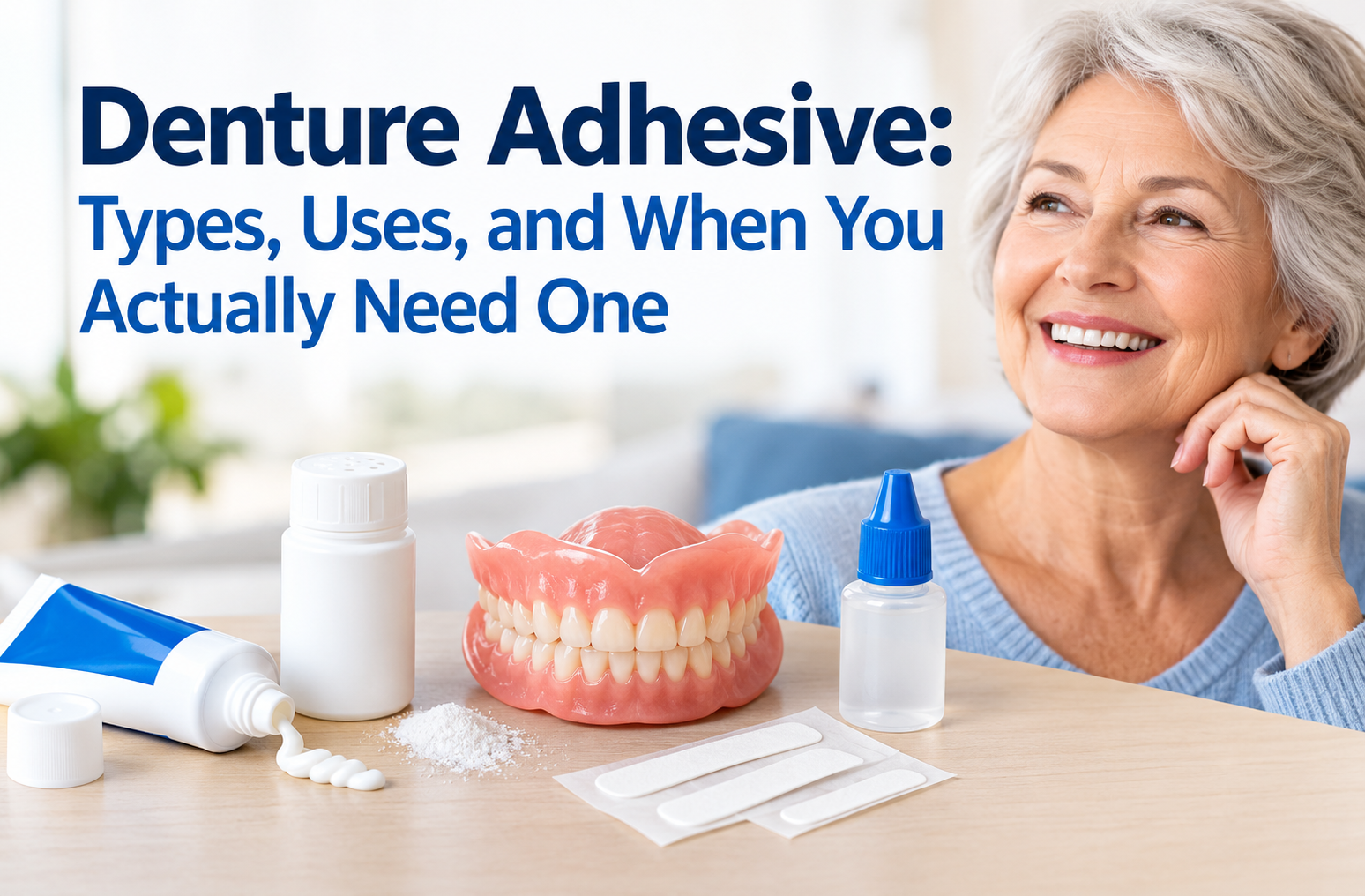
- Consider a denture adhesive early on. Some people find a small amount gives them the confidence to eat normally while they adjust. It’s optional, not a crutch.
Adjusting to Full Dentures Takes Time, and That’s Fine
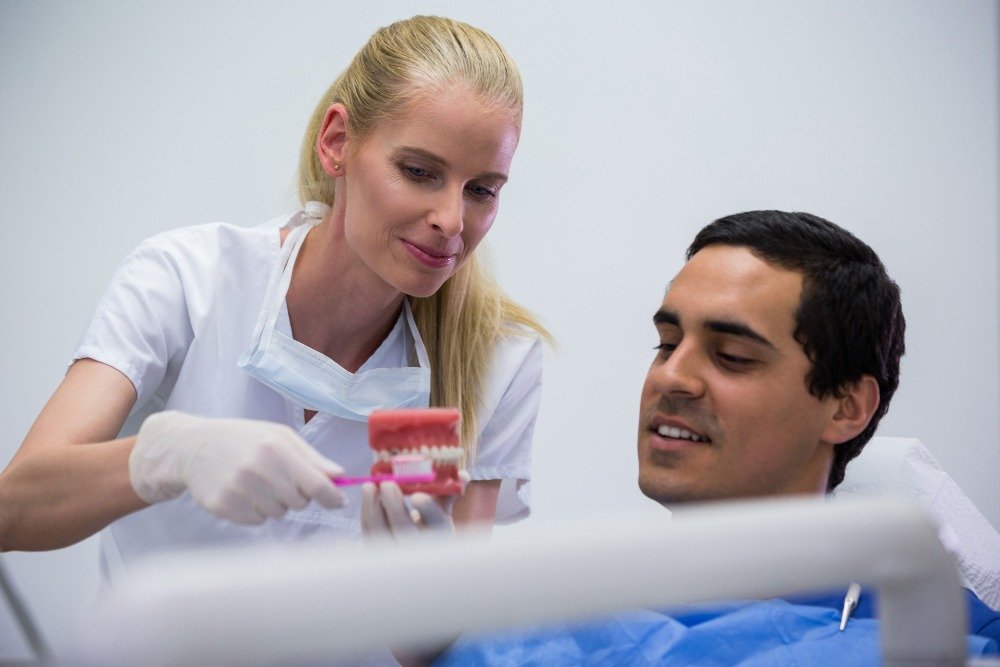
Most people feel reasonably comfortable eating within two to four weeks. Speech and chewing improve together, because the same muscle control helps both.
If you hit a sore spot that won’t settle, or your denture moves more than it should, don’t push through it. That’s usually a sign the fit needs a small adjustment, which is a quick fix. Dentures that have loosened over time can be corrected with a denture reline to restore a snug fit.
Every set of dentures we make at FBA Dental is digitally designed with 3Shape scanning and precision-milled in our Tahmoor lab, so the fit is accurate from the start. A well-fitting denture is the single biggest factor in how easily you’ll eat.
When to Check In With Your Prosthetist
See your prosthetist if you notice ongoing pain, a denture that clicks or slips during meals, or persistent difficulty with foods you used to manage. These are fixable, and there’s no reason to live with discomfort.
Not sure whether your dentures fit as well as they should? Have a look at our full dentures page, or book a free consultation and we’ll take a look. Eating with dentures should feel easy, and with the right fit and a little practice, it will.