
Getting your first set of dentures is an exciting step toward eating, speaking, and smiling with confidence again. And it’s far more common than most people expect: according to the Australian Institute of Health and Welfare, around 1 in 25 Australian adults has lost all of their natural teeth, rising to 1 in 5 among those aged 75 and over. But if the first week feels a little strange, don’t worry; that’s completely normal. Your mouth simply needs time to adapt to a new appliance. These new denture wearer tips will help you settle in faster, manage any early new dentures discomfort, and get the most out of your new smile.
What to Expect in the First Few Weeks
Adjusting to dentures is a gradual process, not an overnight one. Most people take a few months to get fully used to how their dentures feel, and follow-up appointments are often needed so your prosthetist can fine-tune the fit.
In the early days, it’s common to notice:
- A “full” feeling, as if your mouth is crowded
- Increased saliva as your mouth reacts to the new appliance
- Minor sore spots or gum tenderness
- A slight lisp or changes to certain sounds
- An occasional urge to gag with upper dentures
These sensations are temporary. As your cheeks, tongue, and gums learn to work with your dentures, the discomfort fades, and everything starts to feel natural.
New Denture Wearer Tips for the First Days
The best way to adapt is to wear your dentures consistently and be patient with yourself. A few simple denture wearing tips make a big difference early on:
- Wear them as directed: Keeping your dentures in helps your prosthetist spot pressure points that need adjusting.
- Don’t adjust them yourself: Bending or filing dentures at home can damage them and hurt your gums; always leave adjustments to a professional.
- Keep water handy: Sipping water helps with the extra saliva and keeps your mouth comfortable.
- Give it time: Every mouth is different, so avoid comparing your progress to anyone else’s.
Eating with New Dentures
Learning to eat again is one of the biggest adjustments. Start slow and build up:
- Begin with soft foods like soups, scrambled eggs, yoghurt, mashed potato, and smoothies.
- Cut food into small pieces to reduce pressure on your gums.
- Chew evenly on both sides of your mouth to keep the denture stable.
- Introduce firmer foods gradually as your confidence grows.
- Take care with hard, sticky, or chewy foods; nuts, raw carrots, and toffee can dislodge dentures early on.
Within a few weeks, most people can return to a wide, varied diet.
Speaking with New Dentures
It’s normal for words to feel different at first. Your tongue needs to relearn where to sit — especially with an upper denture covering the palate. To speed things up:
- Read aloud for five to ten minutes a day.
- Practise tricky sounds like “s” and “f” in front of a mirror.
- Talk often; the more you use your dentures, the quicker your speech returns to normal.
Singing along to music is a surprisingly effective (and enjoyable) way to practise, too.
Managing New Dentures Discomfort
Some tenderness in the first fortnight is expected, but you shouldn’t have to put up with ongoing pain. To ease early new dentures discomfort:
- Rinse with warm salt water to soothe sore gums.
- Remove your dentures for short breaks if a spot feels irritated.
- Take your dentures out overnight to give your gums a chance to rest and recover.
- Keep up gentle daily cleaning to prevent irritation and infection.
If a sore spot keeps rubbing in the same place, it usually means the fit needs a small adjustment, an easy fix for your prosthetist.
Caring for Your New Dentures
Good habits from day one protect both your dentures and your gums. Brush them daily with a soft brush and mild soap (never regular toothpaste, which is too abrasive), rinse after meals, and store them safely overnight. Victoria’s Better Health Channel also recommends brushing your gums, tongue, and palate morning and night to keep your whole mouth healthy.
When to See Your Prosthetist
A little patience goes a long way, but some issues need professional attention. Book a visit if you experience:
- Persistent pain or sore spots that don’t settle
- Dentures that click, slip, or feel loose
- Difficulty eating after several weeks
- Cracks or damage to the denture
Over time, your gums and jawbone naturally change shape, which can affect the fit. A denture reline restores comfort, while quick repairs fix any damage before it worsens. If you’re still weighing up your options, our guide on what happens if you don’t replace missing teeth explains why acting early matters.
Start Your Denture Journey with FBA Dental Services
The first few weeks take patience, but with these new denture wearer tips, you’ll be eating, speaking, and smiling comfortably before long. As an ADPA-accredited denture clinic in Tahmoor, NSW, FBA Dental Services supports you at every step – from full dentures and flexible dentures to relines, repairs, and follow-up care.
Ready to get started, or need an adjustment? Contact us today to book your appointment.
FAQs
How long does it take to get used to new dentures?
It varies from person to person. Many people can function reasonably well within two to four weeks, but Healthdirect Australia notes it can take a few months to feel completely natural. Wearing your dentures consistently and attending your follow-up appointments both speed up the process.
How many hours a day should I wear my new dentures?
In the early adjustment phase, wear them for most of the day so your prosthetist can identify any pressure spots. Once your mouth has settled, aim to remove them at night so your gums get a proper rest. Your prosthetist will give you a schedule based on your situation.
Can I sleep with my new dentures in?
Generally, no. If you’ve had teeth removed and been fitted with immediate dentures, your prosthetist may ask you to keep them in for the first 24 hours to protect the healing area. After that, taking them out overnight lets your gums recover and lowers your risk of irritation and infection.
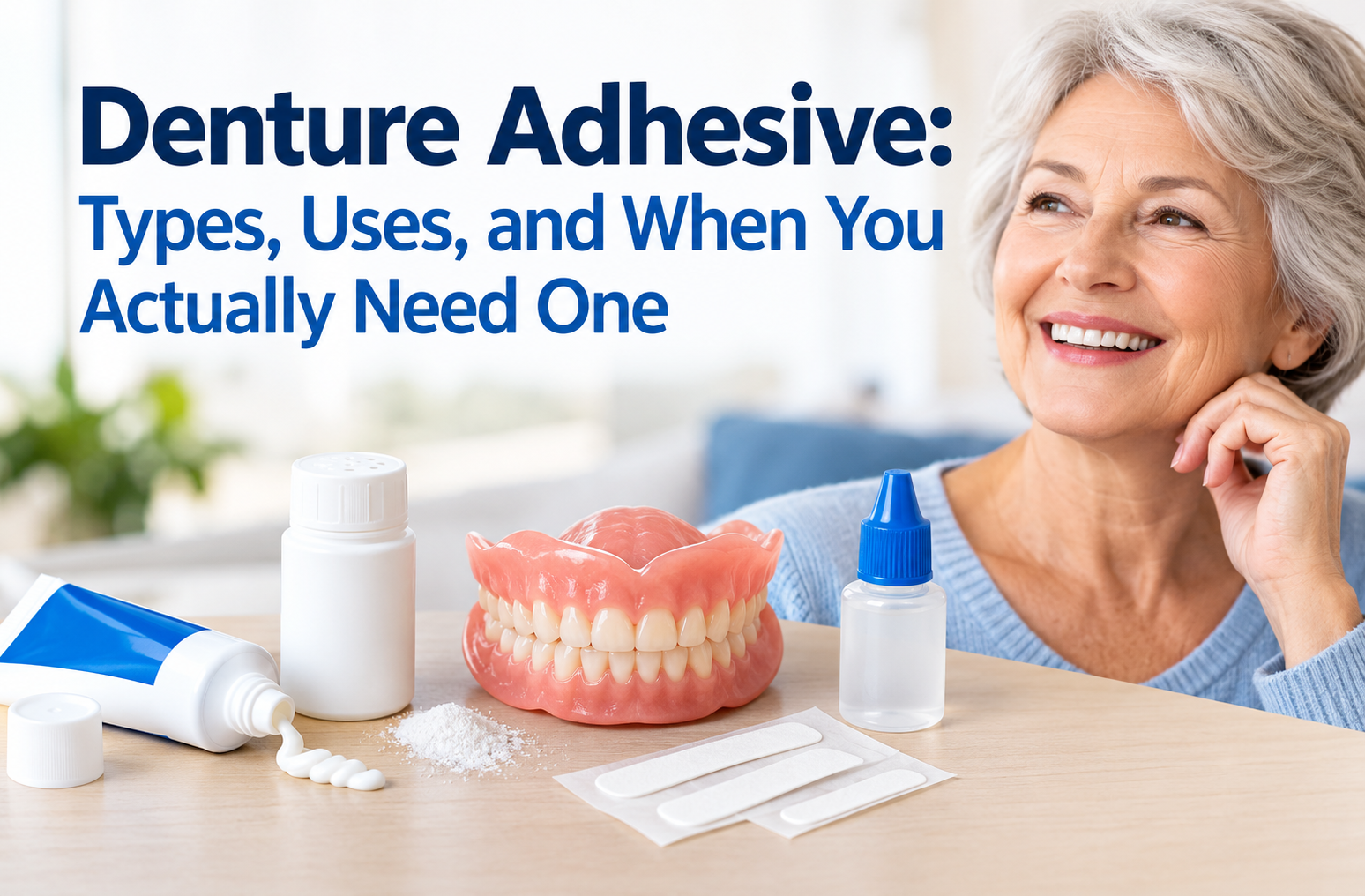
Do first-time denture wearers need adhesive?
Not always. A well-fitted denture should stay in place on its own, and adhesive is optional rather than essential. Some people use a small amount for extra confidence while adjusting. If you feel you need a lot of adhesive to keep your dentures secure, it usually points to a fit issue worth checking.
Why do my new dentures feel too big or make me gag?
That “full mouth” feeling is one of the most common early sensations, especially with an upper denture. Your tongue and cheeks simply aren’t used to the extra space yet. It almost always settles within a week or two. If gagging persists, mention it at your review; the denture may need minor trimming.
Can I take pain relief for sore gums?
Mild, short-term soreness can be eased with a warm salt-water rinse and over-the-counter pain relief used as directed. However, pain that lingers beyond the first couple of weeks isn’t something to push through; it’s a sign your dentures need adjusting, so book in with your prosthetist.