
Losing natural teeth is a common issue for many people. Causes include aging, dental trauma, and developing oral diseases, etc. It is best to resolve it soon, or you may risk developing further issues down the road.
Medical science has progressed over time, and more dental solutions are available now than ever before. The two major options, which experts recommend to treat them, are dentures and implants. Though both of them are different procedures, their purpose is basically the same. So you won’t find much difference when looking at the benefits of dentures vs implants.
Both these options help you:
- Allows you to chew food better and makes it possible to eat more food items that may not have been possible without the procedure.
- Enables you to speak better and pronounce words more clearly
- Improves appearance and gives you confidence.
- Provide support to facial muscles.
Comparison Between Dentures and Implants
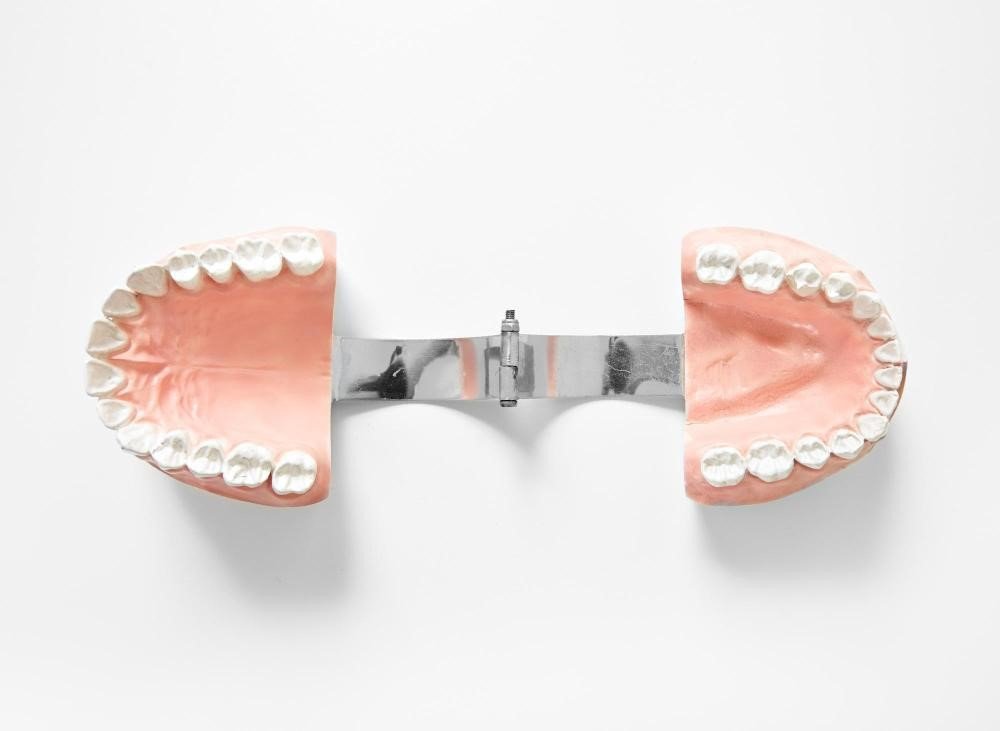
Despite having the same role in a person’s oral health, there are many important differences between them.
1. Procedure
The process of making and acquiring both these items is very different. It is important to discuss your needs thoroughly with experts, so they can give you the best one.
Implants
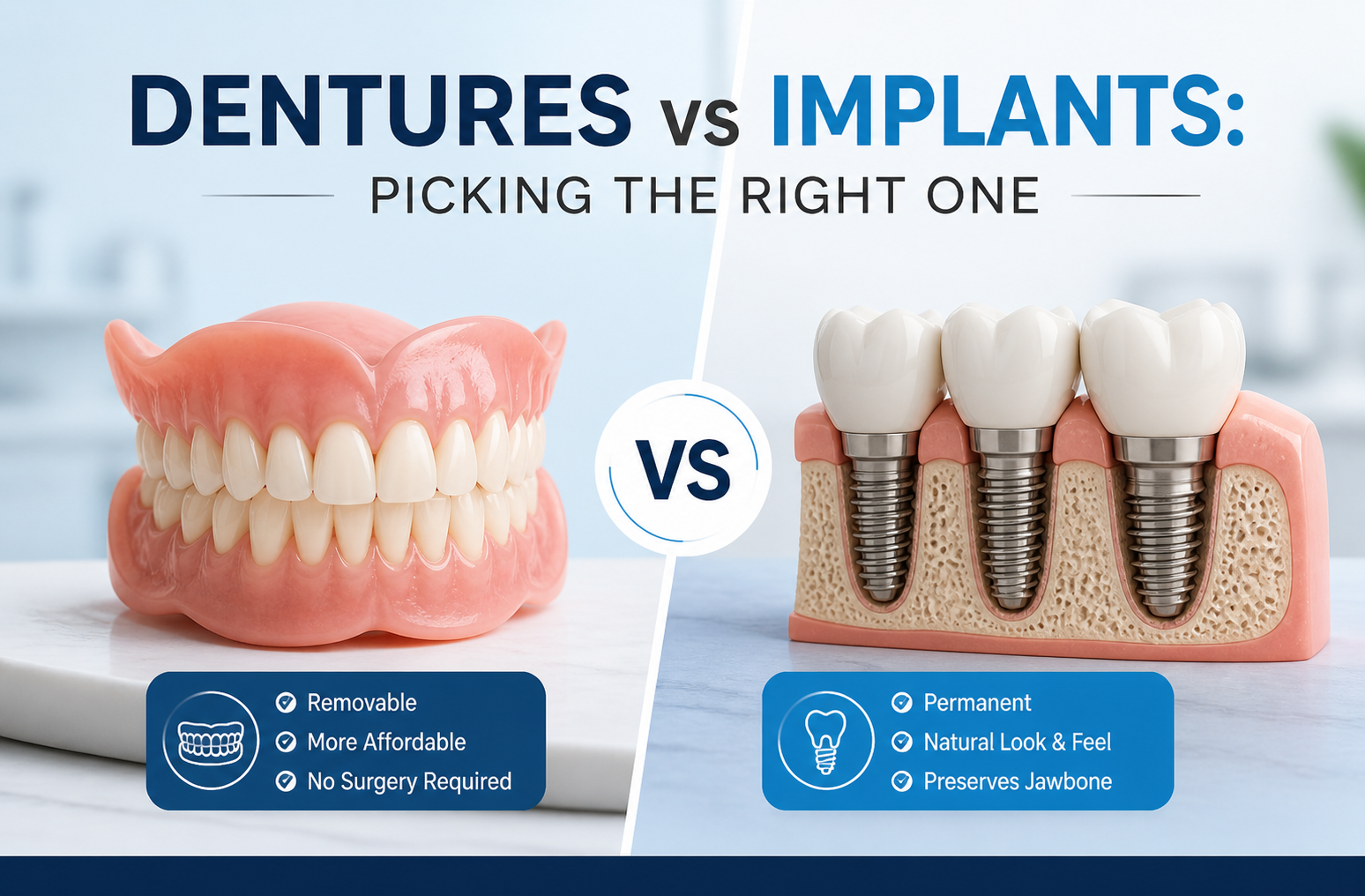
Bone mass and density need to be looked at before a patient is approved for dental implants. They are often recommended for senior citizens or those near that age. The process requires a bit of minor surgery, but it is not too hard nor poses much risk to patients. Here’s how it goes:
- The first step is to extract the damaged root, after which a hole must be drilled into the jawbone.
- Then a metal prosthetic root, known as a post, is added deep into the root.
- This is followed by a short waiting period (a month or two) to allow the bone to grow around the implant so that the structure becomes firmer.
- An abutment is added after the bone has grown, or it may be attached with the implant beforehand.
- Finally, a crown (an artificial tooth that resembles other neighboring teeth) is attached to the abutment.
Dentures
Bone density is not a factor over here because these oral items are removable and do not have to attach to the bone. They can be used to replace all your teeth, upper or lower jaw teeth, or to fill in a few missing teeth in certain places. Take a look at how a prosthetist designs them:
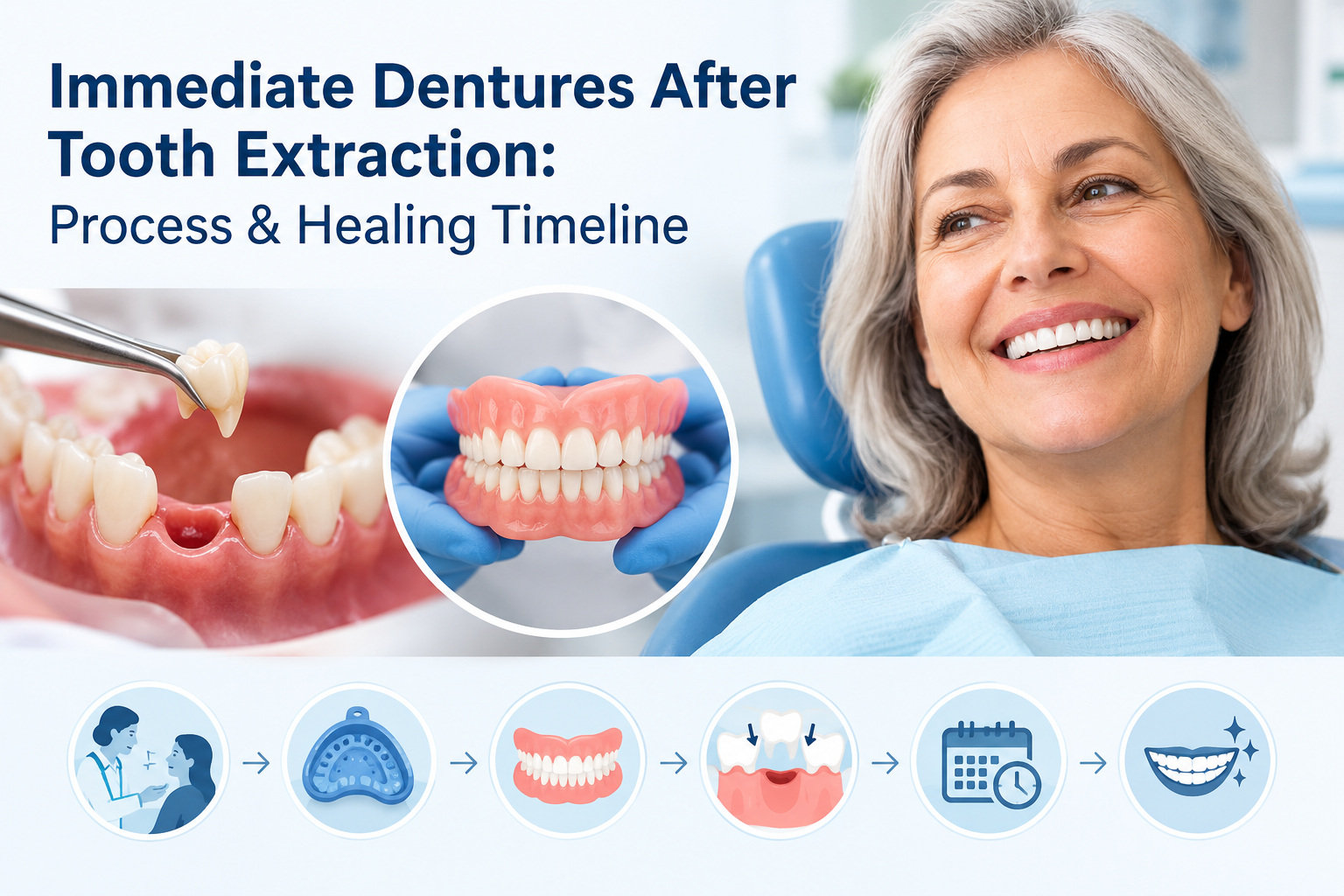
- First, an impression is collected of the upper or lower gums, sometimes both, depending on the location and number of missing teeth.
- Your bite pattern, along with the alignment of your upper and lower jaws, will also be studied. This is mainly to get the right measurements and ensure a better fit.
- A preliminary set of dentures is created for testing purposes. A shortcoming will be noted so that necessary adjustments can be made.
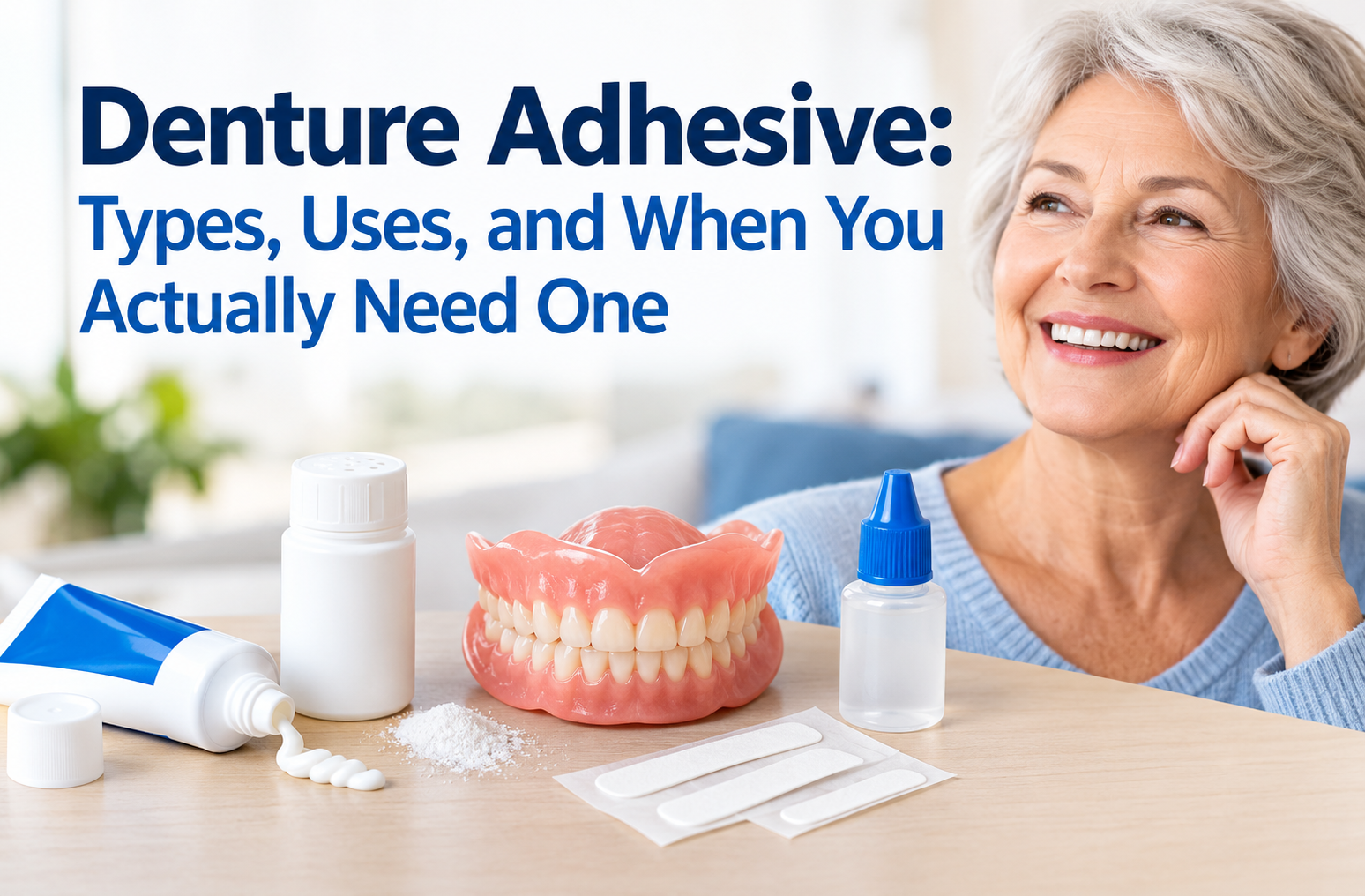
- The oral appliance is sent back to the prosthetist to make changes and produce the final version. Experts may even suggest dental adhesives to keep them in place.
2. Prices
Dental implants generally cost more than getting a denture or even other alternative therapies like bridges. The exact price of either will vary based on certain factors like the number of missing teeth, the materials used, the type of denture or implant, etc.
For dentures, the price can range from around $1,800 to $30,000, while implants can cost you from $3,000 to even $80,000, depending on the level of sophistication and personal preferences. Make sure you look at many different options before choosing.
3. Lifespan: Dentures vs Implants
Patients need to pay attention to the nature of their needs and figure out if they want a long-term or short-term solution, whether they are fine with going through regular maintenance, whether or not they are comfortable relining, etc.
Implants can last around 15-25 years or so, with good care. Dentures, on the other hand, can last for around 5-7 years. Be sure to communicate your needs and follow the advice of experts while choosing the best fit.
4. Healing: Dentures vs Implants
Dentures do not require much healing time, and the mouth tends to adapt much quicker to them. There is usually not much surgery involved, either when producing them, which encourages quicker healing.
Implants, on the other hand, require minor surgeries, which increases the healing time. There are also certain dietary guidelines and other restrictions you must follow during the recovery phase.
Dentures vs Implants: How to Choose?
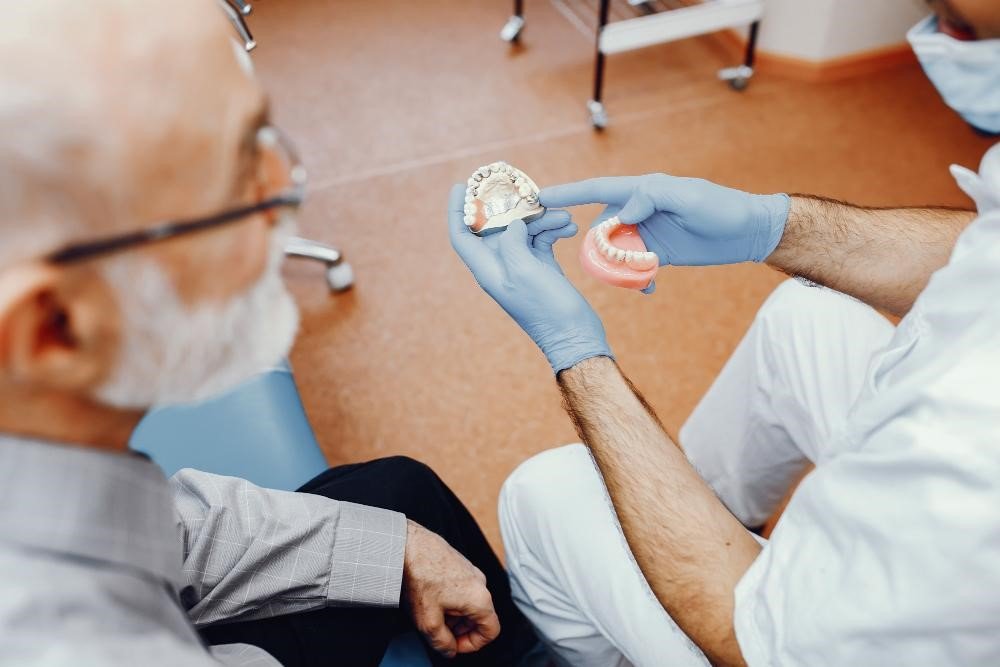
It is important to remember that there is no better or worse option in the dentures vs implants debate. The main thing is to find the right fit for you. Here are some important criteria that you need to consider:
Age
Generally, younger patients (those below 50 years of age) prefer more durable dental solutions. Hence, they are more likely to go for implants. Those above 50 prefer shorter-term fixes, as they likely have fewer years to live on average compared to younger patients. So they are less likely to think of long-term value.
Bone Density
Dental implants require patients with healthy jawbone material, as it keeps the posts in position. Those who do not have good bone density, either due to aging, dental trauma, gum disease, etc., usually will not be suited for implants. Bone grafting can also be used to resolve the issue, but it can be expensive.
Functionality and Comfort
Dental implants tend to be firmer, while also providing better chewing and speaking advantages. Dentures can also be effective for these tasks, but are usually not as firm and may require dental adhesives to keep them in place.
Dental implants also remain fixed, which means you do not have to worry about removing or accidentally falling asleep while wearing them. Many people like this as it saves them the burden of removing and storing the oral apparatus carefully.
Conversely, dentures are removable and a good option for people who do not like artificial items being attached to their mouths. You also normally do not require any form of surgery to get them, either, which is another reason why many people go for them.
Hygiene & Maintenance
Dentures need more care and effort to keep them in good condition. It is also essential for your own personal hygiene to take good care of them, as you have to place them in your mouth frequently. Many patients do not want to put in all of that effort, which is why some may choose to get an implant.
Conclusion
Getting the right oral apparatus is crucial for your dental health. A patient should not blindly take a side when it comes to implants vs dentures. You should always talk to specialists in this area before making a decision. FBA Dental Services has a strong presence in this area and has produced many such dental items for our patients. Consult us and help make the right choice to improve your oral health.