
Denture-making has quietly gone digital. Instead of messy impression trays and acrylic packed by hand, your dentist can now scan your mouth, design the denture on a screen, and print it. So the obvious question is: Are 3D-printed dentures actually better than the traditional kind, or is it just clever marketing?
The honest answer: for a lot of people, yes, mainly because they are faster and cheaper, and your denture is saved as a file that can be reprinted if it’s ever lost. But there is one real trade-off worth understanding. Here is the full picture.
What are 3D Printed Dentures?
3D-printed dentures are full or partial dentures designed on a computer from a digital scan of your mouth, then built by a printer that hardens a liquid resin in thin layers. The pink base and, in many systems, the teeth are printed, then lightly polished and finished by hand.
They belong to a wider family of digital denture technology. Both printed and milled dentures are “digital.” meaning they are designed in software from a scan. The difference is how the finished denture is made:
- Printed dentures are grown from liquid resin, layer by layer.
- Milled dentures are carved by a machine from a solid block of resin. These are the classic CAD/CAM dentures.
That distinction matters because it changes the cost, the speed, and the strength of the final denture.
How Are 3D Printed Dentures Made?
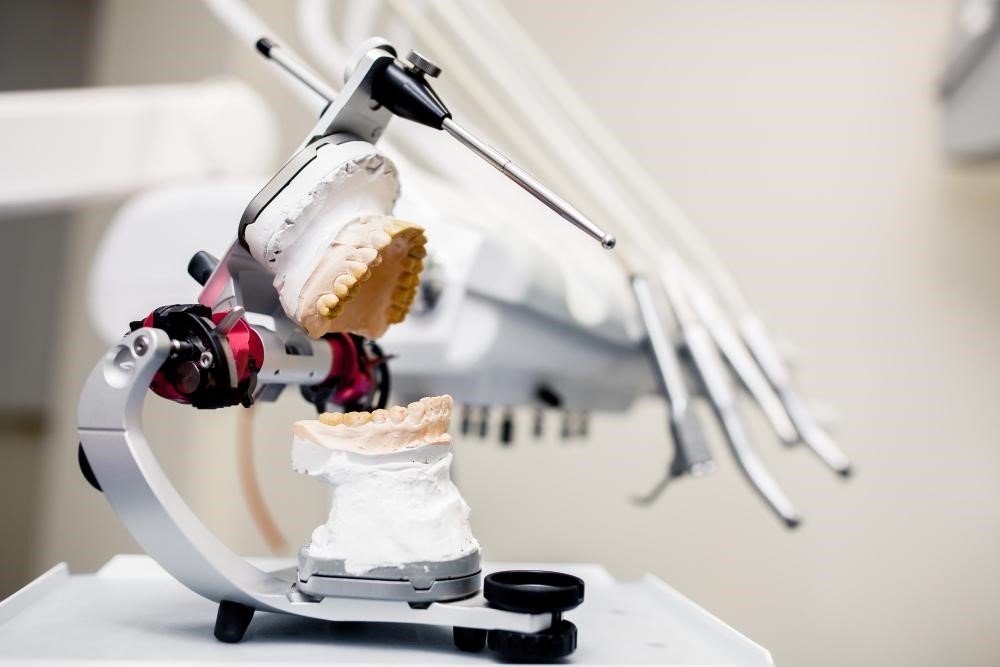
The process shifts most of the work from the lab bench to a computer. Here is the typical digital workflow:
- Scan: A digital impression of your gums replaces the messy putty tray. Your dentist can also just scan a current denture that fits well.
- Design: The base, tooth position, and bite are shaped in software, and you can often preview the result before anything is made.
- Print and Finish: The denture is printed from an approved dental resin, cured with light, polished, then tried in and adjusted.
Because so much happens on screen, there is less time in the chair. One clinical study found digital dentures needed roughly a third less chairside time than conventional ones, which is a real benefit for older patients and anyone who finds long appointments hard. Many clinics also print a cheap try-in first to confirm the fit and look, then produce the final denture once you approve it.
FBA’s own step-by-step denture process uses digital scanning, 3D printing, and precision milling to build each denture to an exact fit.
3D Printed Dentures Benefits
Here are the main 3D printed dentures benefits that make them worth considering:
- Faster treatment: Fewer and shorter visits, because the design work is digital.
- Lower Cost: Printed dentures generally cost less to fabricate than conventional or milled ones.
- The reprint advantage: This is the big one. Your denture is stored as a digital file, so if you lose or break it, the lab can reprint it from the archived design, often without new impressions. No starting from scratch.
- Great for a Spare: That same reprint ability makes them ideal as a backup or travel denture.
- Consistent and precise: Digital design removes a lot of the guesswork and hand variation of the old method.
- Comfortable, natural look: The fit is clinically acceptable, and the teeth can be positioned very precisely for a natural smile.
- Less mess: Scans instead of gag- inducing impression trays.
The One Real Downside: Strength
Here is where honesty matters. The main limitation of printed dentures is durability. Right now, printed denture bases test lower on strength than milled ones, and printed teeth are still catching up on long-term wear resistance.
In plain terms, a printed denture usually seats well and looks great, but a milled base is currently the tougher long-term option. If a printed denture does crack, it’s worth knowing that professional denture repair can often fix it. This is why dentists often recommend printed dentures as a fast, affordable first set, a comfortable spare, or a short-term denture while you heal or plan implants, rather than a lifetime appliance.
3D Printed vs Milled vs Traditional Dentures
| Feature | 3D Printed | Milled (CAD/CAM) | Traditional |
| How it’s made | Printed layer by layer | Carved from a solid block | Hand-packed acrylic |
| Speed | Fastest | Fast | Slowest |
| Cost | Lowest | Higher | Mid |
| Strength | Good, improving | Strongest | Moderate |
| Fit accuracy | Clinically acceptable | Slightly truer | Varies |
| Reprintable if lost | Yes, from a saved file | Yes, from a saved file | No, full remake |
| Best for | First set, spare, short-term | Long-term daily wear | Budget conventional route |
Who Should Consider 3D Printed Dentures?
They are a strong fit if you:
- Want faster treatment with fewer appointments.
- Are looking for a cost-conscious first denture.
- Want a backup or spare denture on hand.
- Need a temporary denture while healing or planning implants.
- Dislike traditional impression trays.
They may not be the best pick if you:
- Have a heavy bite or grind your teeth.
- Want a single denture to last as long as possible.
- Are after the strongest, most durable base available, in which case a milled or implant-supported option suits you better.
The smartest approach is often a mix: a fast, affordable printed denture now, with a milled or implant-supported plan for later. A good dentist will match the material to your bite, budget, and goals rather than pushing one technology as the answer for everyone.
Conclusion
So, are 3D printed dentures better? They are better in terms of speed, cost, and convenience, and the reprint-from-a-file feature is genuinely useful. They are not yet better on raw durability, which is where milled and implant-supported options still lead.
For a first set, a spare, or a shorter-term denture, printed is often the smart choice. For a single lifetime appliance under a heavy bite, milled or implants may serve you better. The best way to decide is a quick chat with your dentist about your bite, budget, and goals. Get in touch with our team to find out which denture suits you.
FAQ
- How long do 3D printed dentures last?
They are currently best viewed as a shorter-term or interim option, since printed bases aren’t yet as strong as milled ones. The technology is improving fast, though, and a saved file means easy reprinting.
- Are 3D printed dentures cheaper than regular dentures?
Generally yes. They usually cost less to fabricate than conventional or milled dentures, and fewer appointments cut the overall cost too.
- Are printed dentures as strong as milled ones?
Not yet. Milled bases test higher on strength, which is why printed dentures are often recommended as a first set, spare, or short-term denture rather than a lifetime appliance. rrrtttttt
- What’s the difference between 3D printed and CAD/CAM dentures?
Both are digital. Printed dentures are built up from liquid resin layer by layer, while CAD/CAM (milled) dentures are carved from a solid block. Milled is stronger; printed is faster and cheaper.
- Can a 3D printed denture be reprinted if I lose it?
Yes, and this is a major advantage. Because the design is saved as a digital file, the lab can reprint a replacement without redoing all the impressions and fittings.