
Your dentures fit like a glove on day one. Then a year or two passes, and something feels off. They click when you talk, rub a sore spot, or need more adhesive than they used to.
That’s not the denture wearing out. It’s your mouth changing underneath it, and the fix is usually simpler and cheaper than people expect. It’s called a denture relining. Here’s what it is, the types available, the warning signs to watch for, and how it compares to buying a whole new set.
What is Denture Relining?
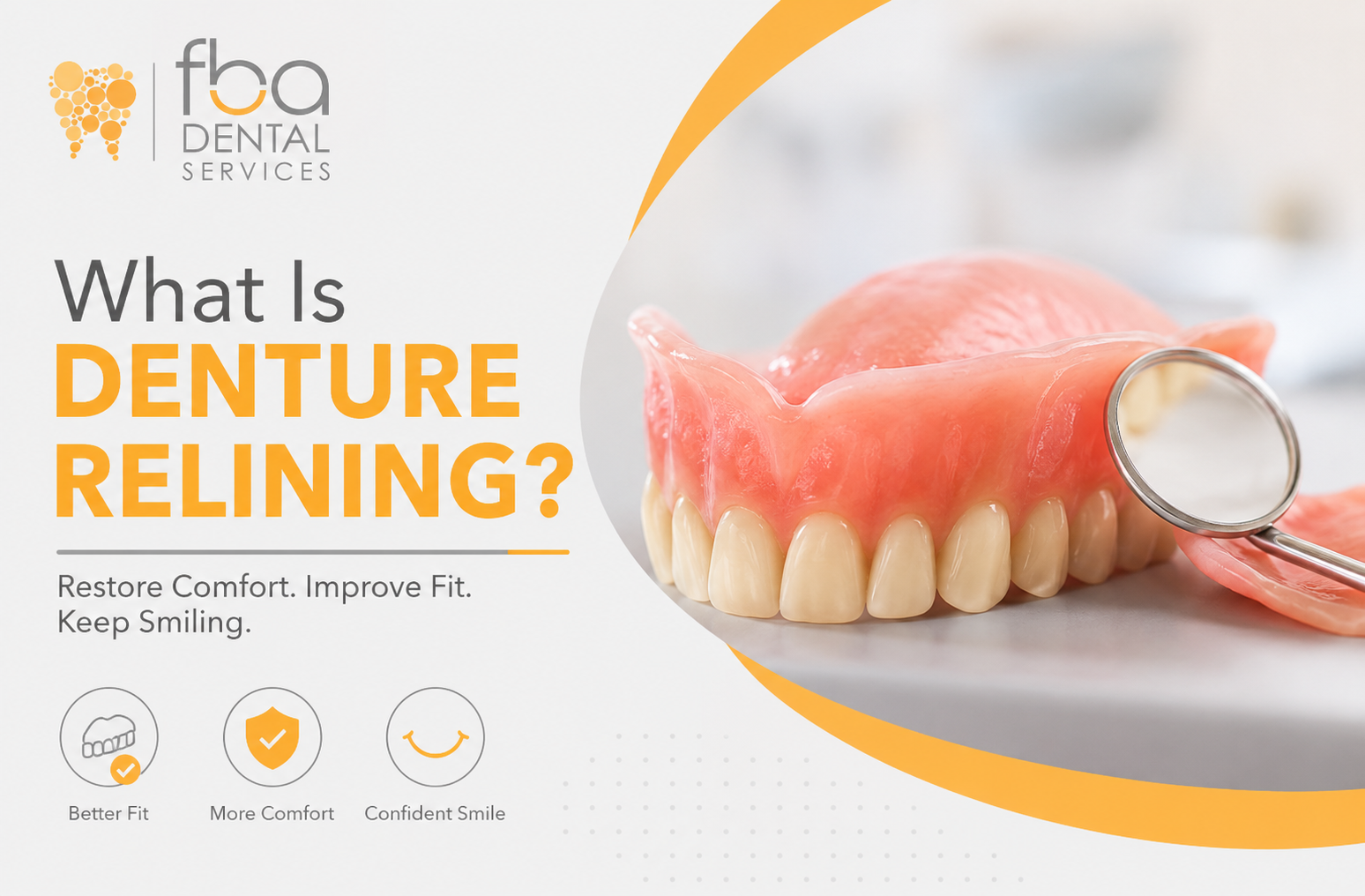
A Denture Relining is a procedure that reshapes the inside surface of your denture so it fits more securely against the gums. The Dental Lab adds a fresh layer of material to the part that sits on your gum tissue, filling the gaps that have opened up over time. The teeth and the outer shape of the denture stay the same.
Why does that gap appear in the first place?
After you lose teeth, your jawbone slowly shrinks through a natural process called resorption. As the bone and gums change shape, the denture that once locked into place starts to float.
The Different Types of Denture Relines
Not every reline is the same. The right one depends on your gum health, how long you need it to last, and what’s going on in your mouth right now.
There are three main types:
1. Soft Denture Reline
A soft denture reline uses a pliable, cushioned material that’s gentle on the gums. It’s the go-to choice if you have sensitive or sore gums or tender spots from a hard acrylic base.
- Far more comfortable for sore or thin gums
- Usually done in the Lab over a few days.
The soft material wears down faster and harden over time so you will likely need it redone more often, often every 2 -4years
2. Hard Denture Reline
A hard denture reline uses the same tough acrylic that forms the base of your denture. It’s the more durable, longer-lasting option, and its hold a firm, stable fit.
- Lasts longer, often years
- Gives a secure, snug feel
- Can be done in a day.
The downside is it’s less forgiving on gums that are still healing.
3. Temporary Reline
A temporary reline is a short-term cushion, usually used when your gums are inflamed or still healing after surgery or extractions. It buys time and comfort until your mouth settles and you are ready for a permanent reline or new denture.
Signs You Need a Denture Reline
Most people don’t realise their dentures have drifted out of fit until the discomfort gets hard to ignore. Here are the clear signs you need a denture reline:
- Looseness or wobbling. They shift when you talk or chew, or “float” instead of sitting tight.
- Sore spots and irritation. Rubbing, pinching, or raw patches on your gums mean the pressure isn’t spread evenly.
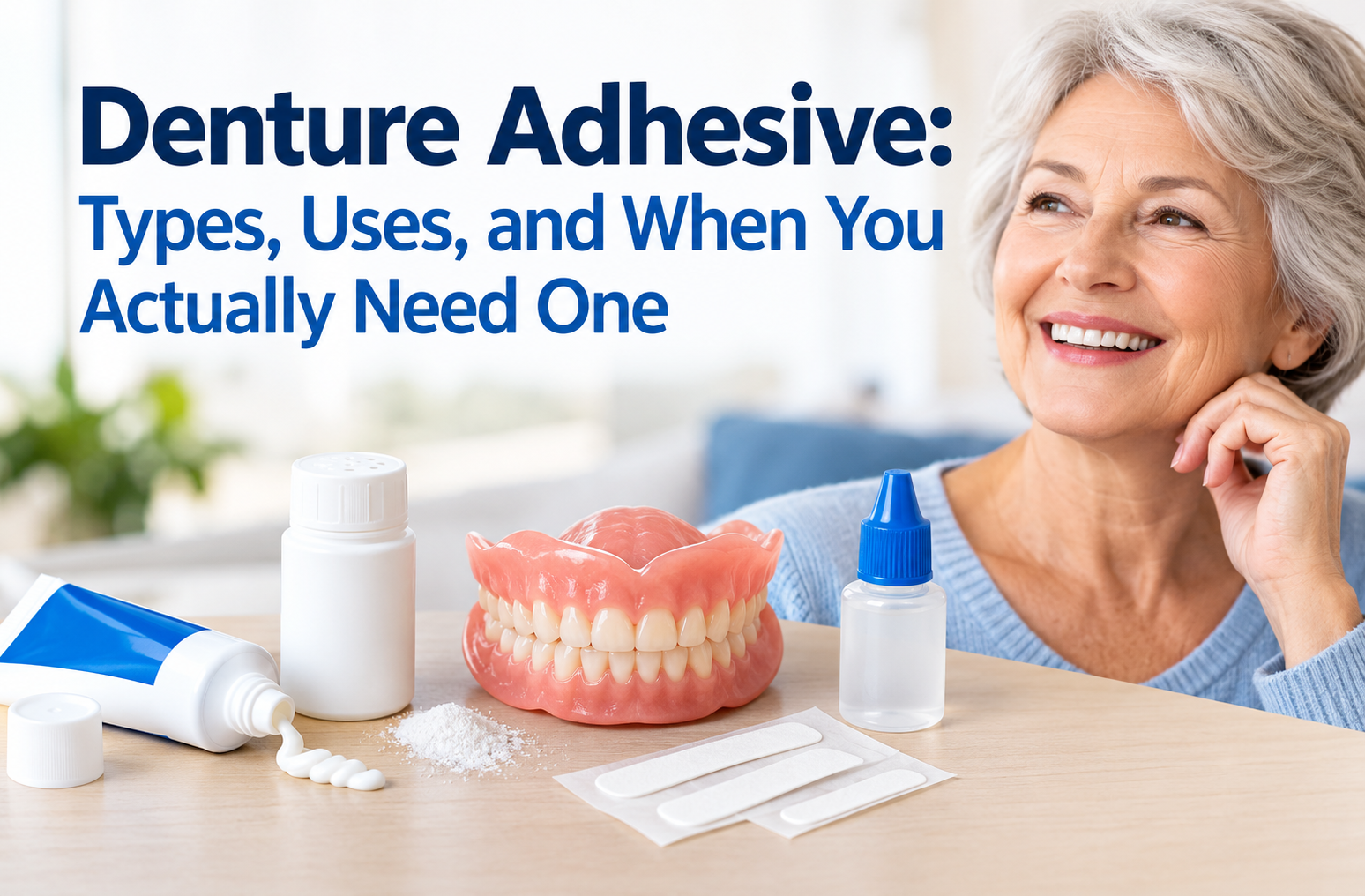
- More adhesive than usual. If you’re piling on the glue just to get through the day, the fit is gone.
- Trouble eating or speaking. Food gets tricky, or certain words start to slur.
- Clicking sounds. A denture that clicks when you eat or talk has lost its suction.
If two or three of these sound familiar, book a checkup. Catching it early keeps a small fix from turning into gum damage or a cracked denture that needs repair.
What Happens During a Denture Relining?
The process is simpler than most people think. Here is how it usually goes, step by step.
- Examination. Your dentist checks your gums and denture for irritation, looseness, or damage, then decides whether a soft, hard, or temporary reline suits you best.
- Impression. They place a soft putty inside your existing denture and have you bite down gently. That captures the current shape of your gums.
- In-office or lab work. Soft or Hard or more precise relines may go to a lab for a day or two.
- Fitting and adjustment. Once the new material is set, your dentist fine-tunes it in your mouth so there are no pressure points, and the bite feels natural.
- Aftercare. You get instructions for looking after the relined denture, plus a short heads-up that it may feel slightly different for a few days.
Denture Relining vs Replacement: Which Do You Actually Need?
Choosing between a denture reline and a new denture depends on several factors:
| Situation | Reline | Replacement |
| The denture is in good shape, just loose | Yes | No |
| Teeth are cracked, worn, or stained | No | Yes |
| Mild to moderate discomfort | Yes | No |
| Base is warped or won’t hold a reline | No | Yes |
| The denture is under 5 years old | Usually | No |
| The denture is 5 to 7+ years old | Maybe | Often |
| Relined several times already, still loose | No | Yes |
If the teeth are worn or the base is damaged beyond a reline, it’s usually time for a new set, whether that’s a fresh pair of full dentures or, for a more stable long-term option, implant-supported dentures.
Why Relining Matters for Denture Maintenance
Relining is not just about comfort. It’s a core part of good denture maintenance, and skipping it costs you more down the line. A loose denture puts uneven pressure on your gums, which can lead to inflammation, sores, and even infection. It also flexes in ways it was not designed to, and that flexing is one of the leading causes of cracks and fractures.
So a timely reline does not just feel better. It protects your gums and stops your denture from breaking. Most Practitioners recommend having your fit checked at least every couple of years, sooner if you notice any of the warning signs above. Pair that with daily cleaning and overnight soaking, and a good set of dentures will serve you well for years.
FAQs
How to reline dentures yourself?
You can reline dentures yourself with an over-the-counter DIY kit for a quick, temporary fix, but these risk uneven fitting and gum irritation. A professional reline is far safer.
How long does a denture reline last?
A hard reline typically lasts Multiple years. A soft reline is gentler but wears faster, usually needing a redo every 2-4 years
Is a denture reline painful?
No. The procedure itself is comfortable. You may feel mild pressure during the impression, and the new fit can feel slightly different for a few days as you adjust.
How much does a reline cost compared to new dentures?
A reline is far cheaper than a full replacement, which is exactly why it’s the first option for routine fit problems. Exact prices vary, so ask your clinic for a quote.
Can I reline my dentures at home with a kit?
It’s not recommended. Home kits often throw off your bite, trap material unevenly, and can permanently damage the denture, leaving you needing a new set anyway. A professional reline is fast and far safer.
How often should I get my dentures relined?
As a general rule, have the fit assessed every two years. If they feel loose, sore, or need extra adhesive before then, get them checked sooner.