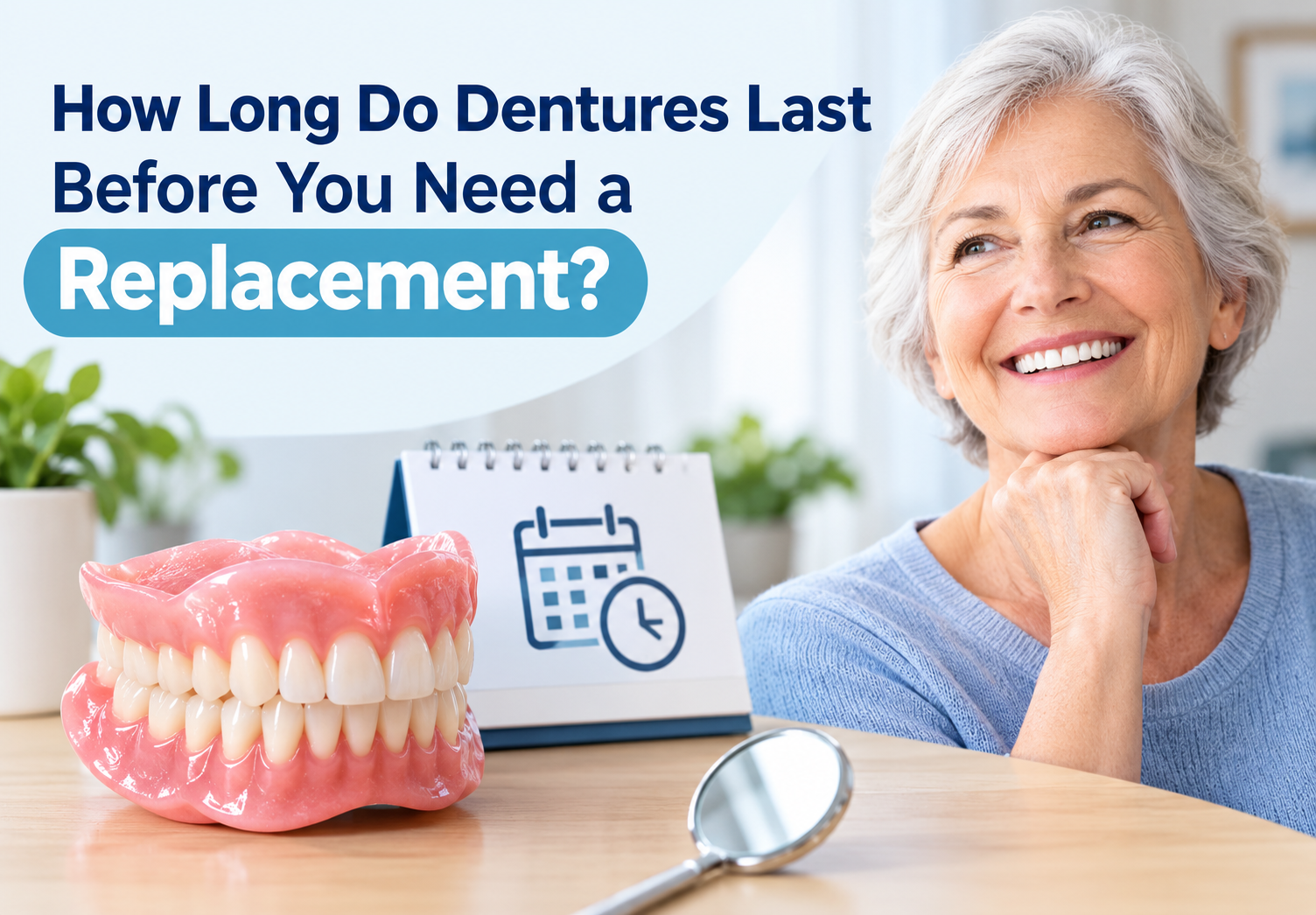

For thousands of denture wearers across New South Wales, that first comfortable, confident smile after getting dentures feels like a fresh start. But dentures, like any dental appliance, don’t last forever. Over time, the mouth changes shape, acrylic wears down, and fit that once felt perfect can quietly shift. Many people continue wearing ageing dentures simply because the change happens so gradually that it’s hard to notice — until eating, speaking, or smiling starts to feel different.
Understanding denture lifespan isn’t just about avoiding discomfort. Worn or poorly fitting dentures can affect oral health, nutrition, and even facial structure over time. Whether you’re a long-term denture wearer in Sydney, Newcastle, or regional NSW, knowing how long dentures last — and recognising the signs you need new dentures — can help you plan ahead rather than wait for a problem to force the issue. This guide breaks down what affects denture longevity and when it’s time to consider a replacement.
How Long Do Dentures Last on Average?
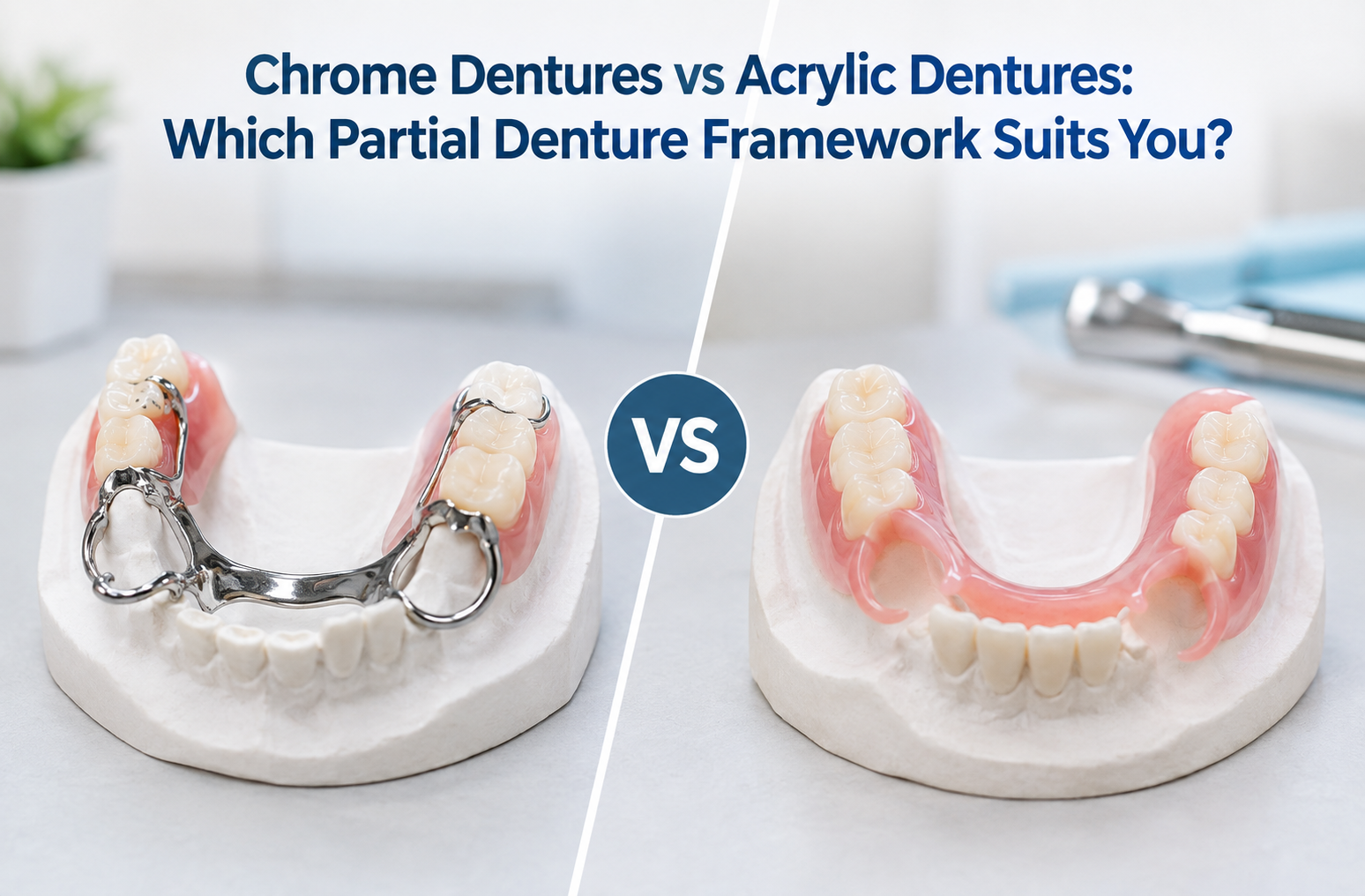
Most full and partial dentures last between five and ten years, though this range varies considerably depending on the material, how well they’re maintained, and how much natural wear and tear they endure. Acrylic dentures, the most common type, tend to sit at the shorter end of that range, while well-maintained chrome or cobalt-framed dentures can last somewhat longer due to their sturdier construction.
It’s worth noting that denture lifespan isn’t solely about the appliance itself. The underlying gums and jawbone continue to change shape for years after tooth loss, a process called ridge resorption. As the bone gradually reshapes, even a denture in excellent physical condition can stop fitting properly, regardless of its age.
Average Denture Lifespan by Type
| Denture Type | Typical Lifespan | Common Replacement Trigger |
| Full acrylic dentures | 5–8 years | Wear, bone changes, loosening fit |
| Partial acrylic dentures | 5–7 years | Clasp wear, shifting remaining teeth |
| Chrome/cobalt partial dentures | 7–10 years | Metal fatigue, gum changes |
| Flexible dentures | 5–7 years | Material flexibility loss over time |
| Implant-retained dentures | 10–15 years (denture itself) | Attachment wear, denture base ageing |
These figures are general guidelines rather than fixed rules. Some dentures last longer with excellent care, while others need attention sooner due to individual mouth conditions.
Signs You Need New Dentures
Recognising the signs you need new dentures early can prevent discomfort, gum irritation, and difficulty eating. Watch for the following changes.
- Looseness or shifting during eating and talking. If your dentures move more than they used to, the fit has likely changed, often due to bone or gum shrinkage rather than a fault in the denture itself.
- Visible wear on the denture teeth. Flattened or worn biting surfaces reduce chewing efficiency and can alter your bite over time.
- Cracks, chips, or discolouration. Physical damage weakens the structure and affects appearance, even if the denture still technically fits.
- Difficulty chewing certain foods. If foods you once managed easily now feel difficult, the denture’s fit or shape may no longer suit your mouth.
- Sore spots or gum irritation. Persistent soreness often signals pressure points caused by a changing jaw shape beneath an unchanged denture.
- Changes in facial appearance. Sunken cheeks or a collapsed-looking jawline can result from long-term bone loss beneath worn dentures.
If several of these signs appear together, it’s a strong indication that a replacement — rather than a simple adjustment — is the better long-term solution.
When to Replace Dentures vs When to Reline Them
Not every fit issue means starting from scratch. In many cases, a professional reline can restore comfort and function without the cost of an entirely new set, particularly when the denture base is still structurally sound but the gum shape beneath it has changed.
However, relining has its limits. When to replace dentures generally comes down to a few key factors:
- The denture has already been relined multiple times
- The acrylic or teeth show significant wear despite adjustments
- The denture is older than eight to ten years
- Cracks or repairs have compromised the structure, even after a previous repair
A dentist can usually determine during a check-up whether a reline will suffice or whether a new denture is the more sensible long-term investment. If you’re unsure which path is right for you, our denture reline service offers a straightforward way to assess whether your existing dentures can be restored before committing to a full replacement.
How Often Should Dentures Be Replaced?
As a general rule, dentists recommend reviewing denture fit annually and planning for a full replacement roughly every five to seven years, even without obvious problems. This doesn’t mean dentures always fail by that point — some last considerably longer with diligent care — but routine review catches gradual changes before they cause real discomfort.
Factors That Influence How Often Dentures Should Be Replaced
- Oral hygiene habits — consistent cleaning reduces bacterial buildup and material degradation
- Bone and gum changes — these vary significantly between individuals
- Diet and chewing habits — harder diets accelerate wear
- Material quality — higher-grade acrylic or chrome frameworks tend to hold up longer
- Daily wear patterns — dentures worn overnight often experience more cumulative stress
Caring for Dentures to Maximise Their Lifespan
While no denture lasts indefinitely, consistent daily care can meaningfully slow down wear and delay the need for a replacement. Many of the habits that protect your dentures are simple, but easy to overlook once the novelty of a new set wears off. Following a proper denture cleaning routine is one of the most effective ways to protect both your dentures and your oral health long term, a point reinforced in NSW Health’s official denture care guidelines, which outline best practice for everyday maintenance.
Daily habits that extend denture life:
- Rinse after every meal. Removing food particles immediately prevents buildup that can stain or weaken the denture material over time.
- Brush dentures daily with a soft-bristled brush. Use a denture-specific cleaner rather than regular toothpaste, which can be too abrasive and cause micro-scratches where bacteria accumulate.
- Soak dentures overnight. Keeping dentures moist in a proper soaking solution prevents warping and helps maintain their shape and fit.
- Handle dentures carefully. Clean over a folded towel or a basin of water, since even a short drop onto a hard surface can cause cracks or chips.
- Avoid hot water. Hot water can warp denture material, subtly affecting fit well before any visible damage appears.
- Schedule regular dental check-ups. Routine reviews help catch early fit changes, allowing your dentist to recommend a soft or hard reline before minor looseness turns into persistent discomfort.
- Address soreness early. Ongoing irritation shouldn’t be ignored — understanding what’s causing denture pain early can prevent more serious fit issues down the track.
- Follow proper care guidance if you’re new to dentures. First-time wearers often unknowingly adopt habits that accelerate wear; these practical tips for new denture wearers cover the adjustment period in more detail.
Taken together, these habits won’t make dentures last forever, but they significantly reduce the rate of everyday wear — helping you get the most out of your investment before a replacement becomes necessary.
Final Thoughts
Denture lifespan depends on a combination of material quality, daily care, and the natural changes your mouth undergoes over time. While five to ten years is a reasonable general benchmark, the real indicator is how your dentures feel and function day to day. Persistent looseness, visible wear, or chewing difficulty are reliable signs that it’s time to consult a dental professional rather than waiting for problems to worsen. If a reline won’t solve the issue, exploring our full dentures options is a sensible next step toward lasting comfort. Regular reviews, timely relines, and attentive care all help denture wearers across NSW maintain comfort, confidence, and oral health for years to come.